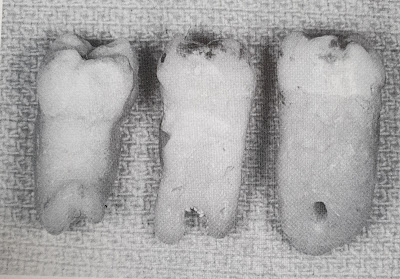
Classification of third molar impaction is done to facilitate the communication between clinicians, for record keeping that may be used for audit research purposes.
The third molars are the most common teeth that are found to be impacted. This article will provide and introduction to this topic. The difference between simple and surgical extraction along with the aetiologies and frequency of third molar impaction are explained in a simple way.
A 20 Weeks Course for ADC Part 1 exam Academic Schedule for March 2024 session Once you will have subscribed the course, you can have access to full schedule and the course. To buy, scan QR code and pay Rs. 75,999.00 60,799.00 only.
Regular oral hygiene by mechanical brushing and cleaning between the teeth removes soft dental plaque. When dental plaque becomes mineralised (calculus), it must be removed by a dental practitioner. Dental plaque and calculus can cause periodontal disease (eg gingivitis) and dental caries. Frequent exposure to dietary sugar and carbohydrates leads to an increase in the risk of dental caries. Avoid sucrose in sticky forms and limit other sugars (eg acidic drinks) and carbohydrates as snacks between meals. Avoid drinks other than water at bedtime after brushing teeth (including milk, formula and expressed breastmilk)—saliva flow diminishes during sleep and the sugar from the drink remains on the teeth overnight. This is a common cause of dental caries in children and the elderly. Interdental cleaning Interdental cleaning using floss or interdental brushes is recommended once each day before brushing the teeth. Brushing teeth with a toothbrush does not remove plaque from between the teeth...
Is there a safe level of radiation exposure for a patient during pregnancy? Dose boundaries do not apply for radiation exposure of patients, since the decision to use radiation is reasonable depending upon the individual patient situation. When it has been decided that a medical procedure is justified, the procedure should be optimized. This means that the conditions should achieve the clinical purpose with the appropriate dose. Dose limits are determined only for the staff and not for patients.
SAQ 1. A patient arrives at your office and expresses concern about mercury from dental amalgam causing her harm. What will you tell this patient to reassure her about the safety of amalgam? ANSWER: You will explain three facts of dental amalgam fillings: (1) The mercury present in amalgam is not free. It is always tied up chemically in the dental amalgam matrix. It is never released into the body. The majority of bound mercury never leaves the dental amalgam mass.